Wardrobe
How to Build a Wardrobe Around the Clothes You Actually Wear
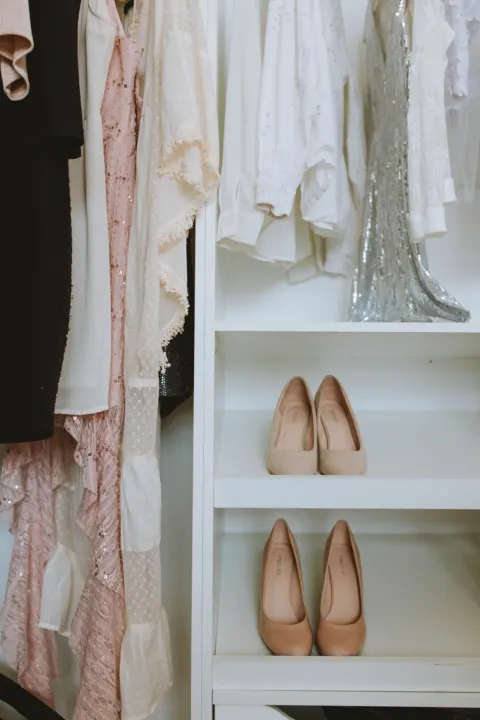
Log what you wear for fourteen days, read the pattern, and build outwards from the pieces that are already doing the work.
Cover story · Outfit Ideas
A single navy blazer worn five ways across a week, from a T-shirt and jeans to a printed dress, with the small adjustments that change how it reads.
The Edit
Where to begin: the clothes most of us wear most days, and how to make them work harder.
Log what you wear for fourteen days, read the pattern, and build outwards from the pieces that are already doing the work.
Poplin, oxford or twill; ironed or not; tucked or loose. How laundry habits, layering and opacity decide which white shirt you will actually wear.
A ten-second touch test, a side-by-side table and the washing hazards of each: what three everyday plant-based fabrics do, and why.
Wardrobe Guides
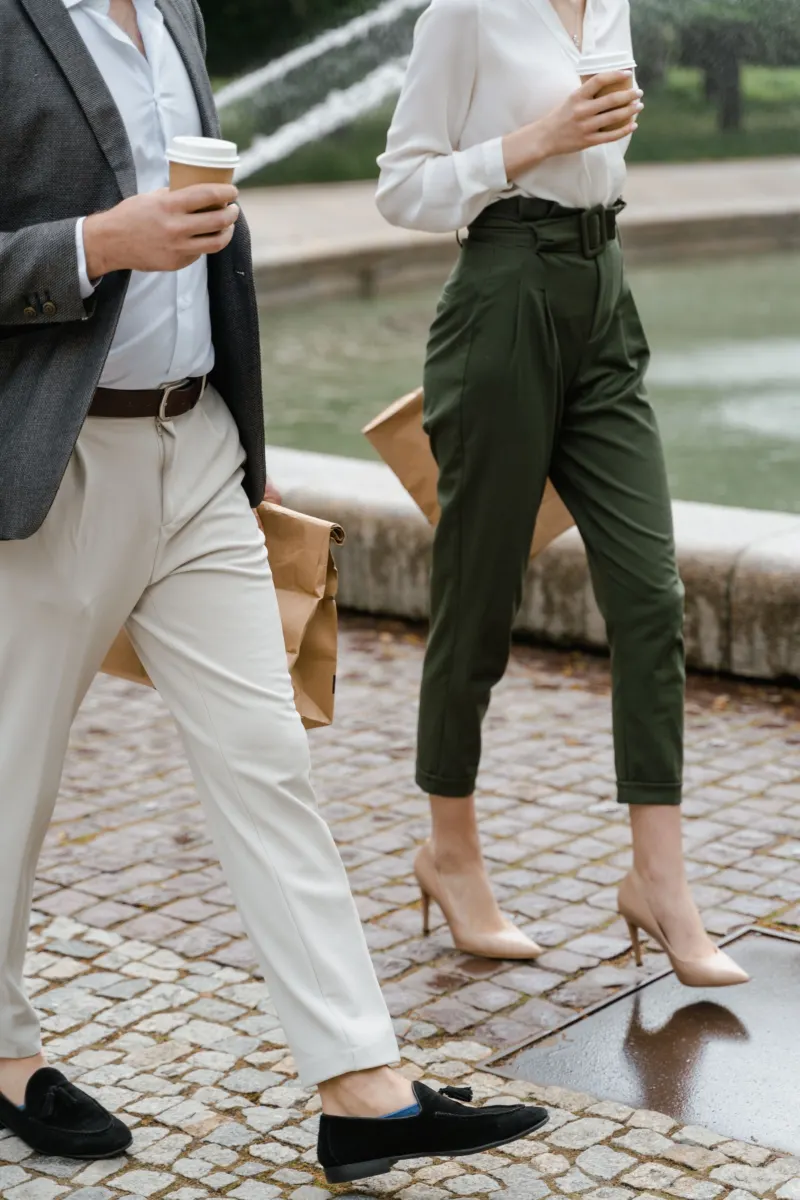
Combinations from ordinary clothes — the pieces, the swaps and the detail that changes everything.
The Edit
A small work wardrobe that produces more outfits, the garments worth judging carefully, and ways to read a dress code that nobody…
The Edit
Comfortable shoes first, then everything else: relaxed combinations, layers for changeable days and accessories that earn their place.
Wardrobe Guides
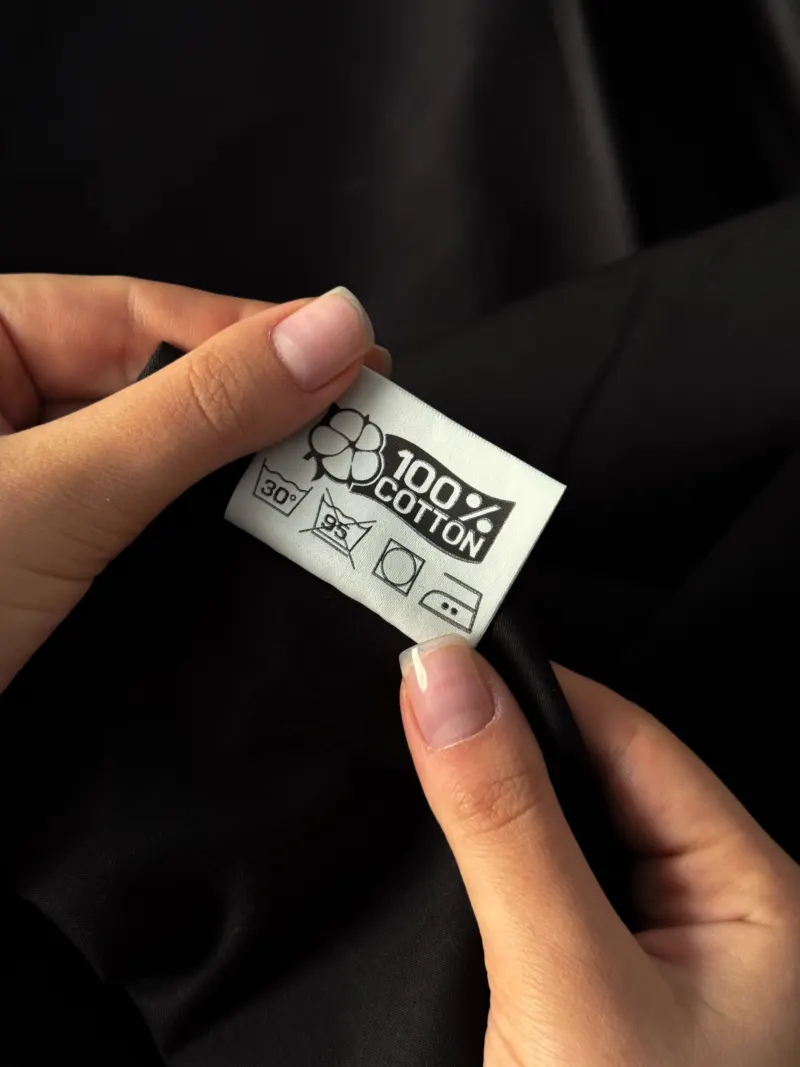
Read the label, understand the fibre, and keep good clothes in use for longer.
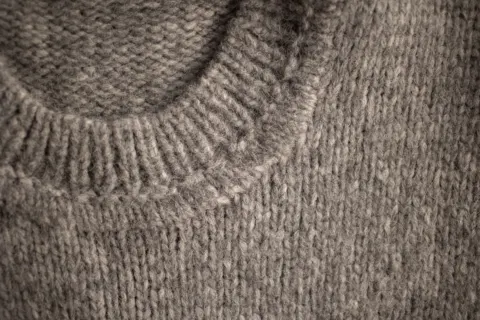
All care guidesFollow one jumper from the laundry basket to the shelf: when to wash it, how to dry it so it keeps its shape, and how to store it between wears and seasons.
Two questions decide it: does the fabric stretch under its own weight, and does it crease when folded? A garment-by-garment table with the reasons.
Pilling is friction plus loose fibre plus something strong enough to hold the tangle on. Where it comes from, where to expect it, and how to remove it gently.
Three example composition labels read line by line: why the fibres were mixed, what the percentages suggest about wear and care, and what no label can tell you.
Selected Stories
The working parts of an outfit: how they fit, what they change, how to look after them.
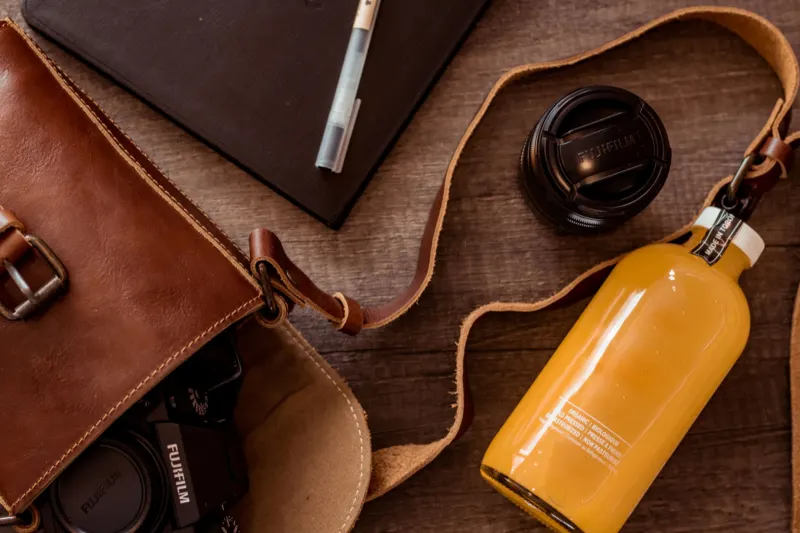
Empty your bag on to a table, sort what you find, and let the size, weight and number of small things decide the shape, strap and pockets you need.
A fitting-room sequence drawn from podiatry and health-service guidance: when to go, what to wear, and how to check length, width, depth and heel.
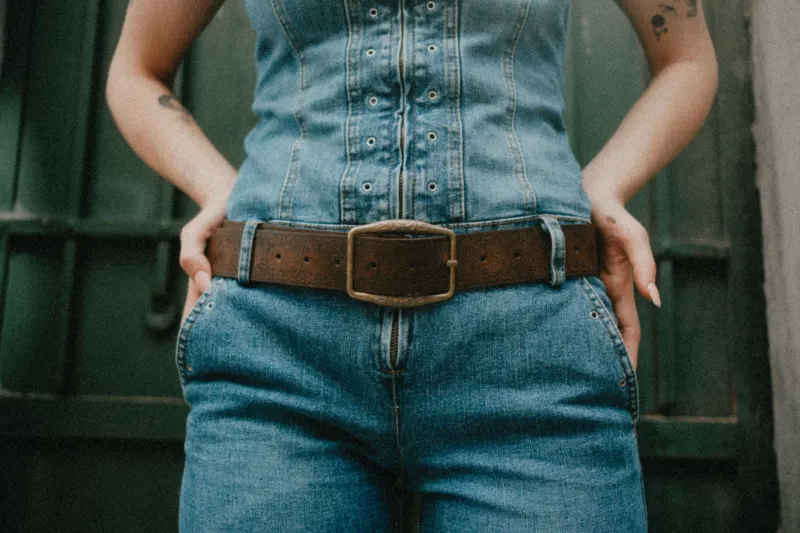
The same shirt and trousers with and without a belt, and what position, contrast and width each do to the way an outfit divides.
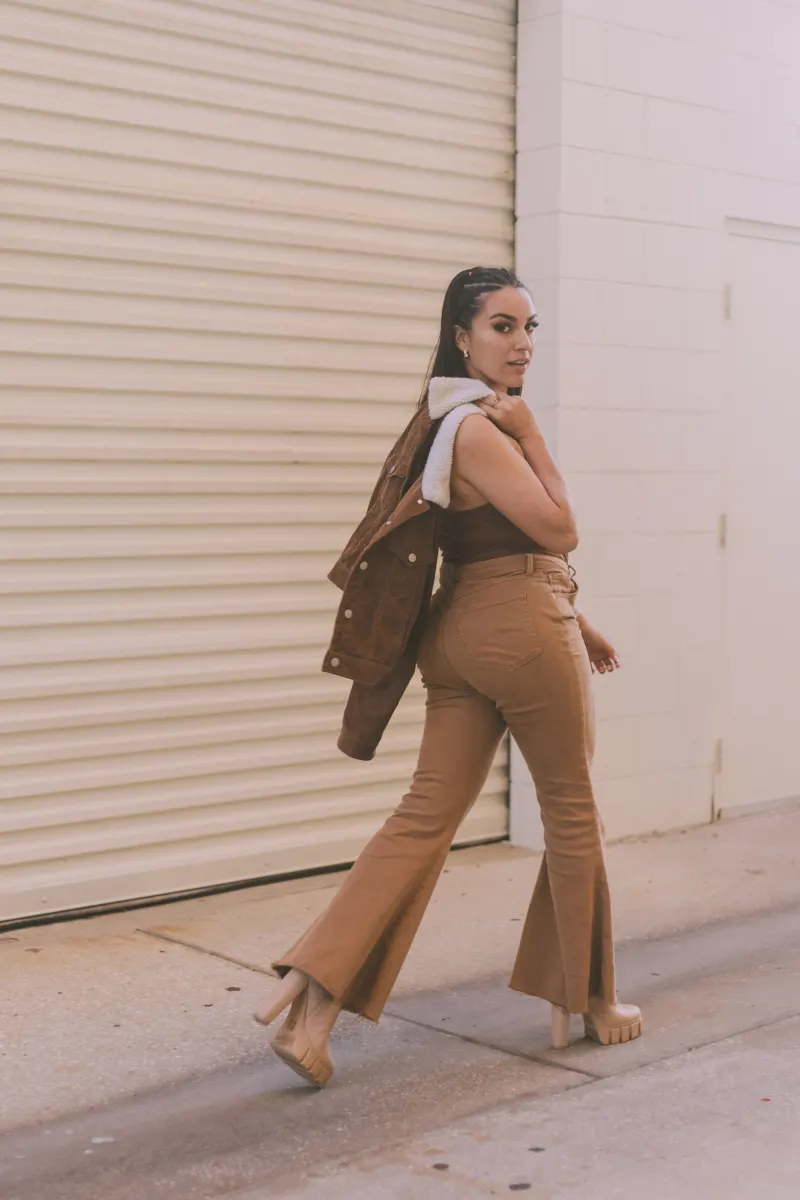
Start from what you wore today. Which piece to keep, which one to change, and four dinner outfits built from jeans, office clothes, a day dress or chinos.
View the guideSelected Stories
Ways of thinking about personal style that leave the decisions to you.
Proportion belongs to the clothes: where a hem, waistband or jacket edge falls and how big the blocks between them are. Three garments show how it shifts.
Start with five outfits you forgot you were wearing, read them for shape, colour, surface and level, and turn what repeats into one usable sentence.
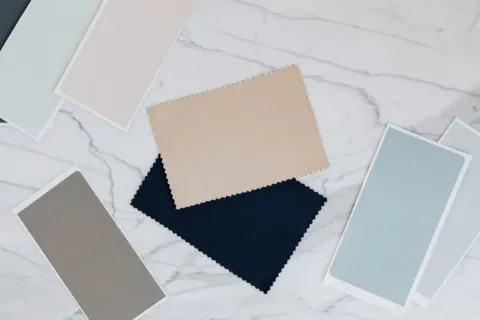
A five-rung ladder from black, grey and navy towards colour, starting with what you already own. Each rung is small, and each is a fine place to stop.