Leather, Suede and Textile Shoes: Care Basics
Work out what the upper is made of, then follow the routine for that material: what to do after wearing, what to avoid, and when to see a cobbler.
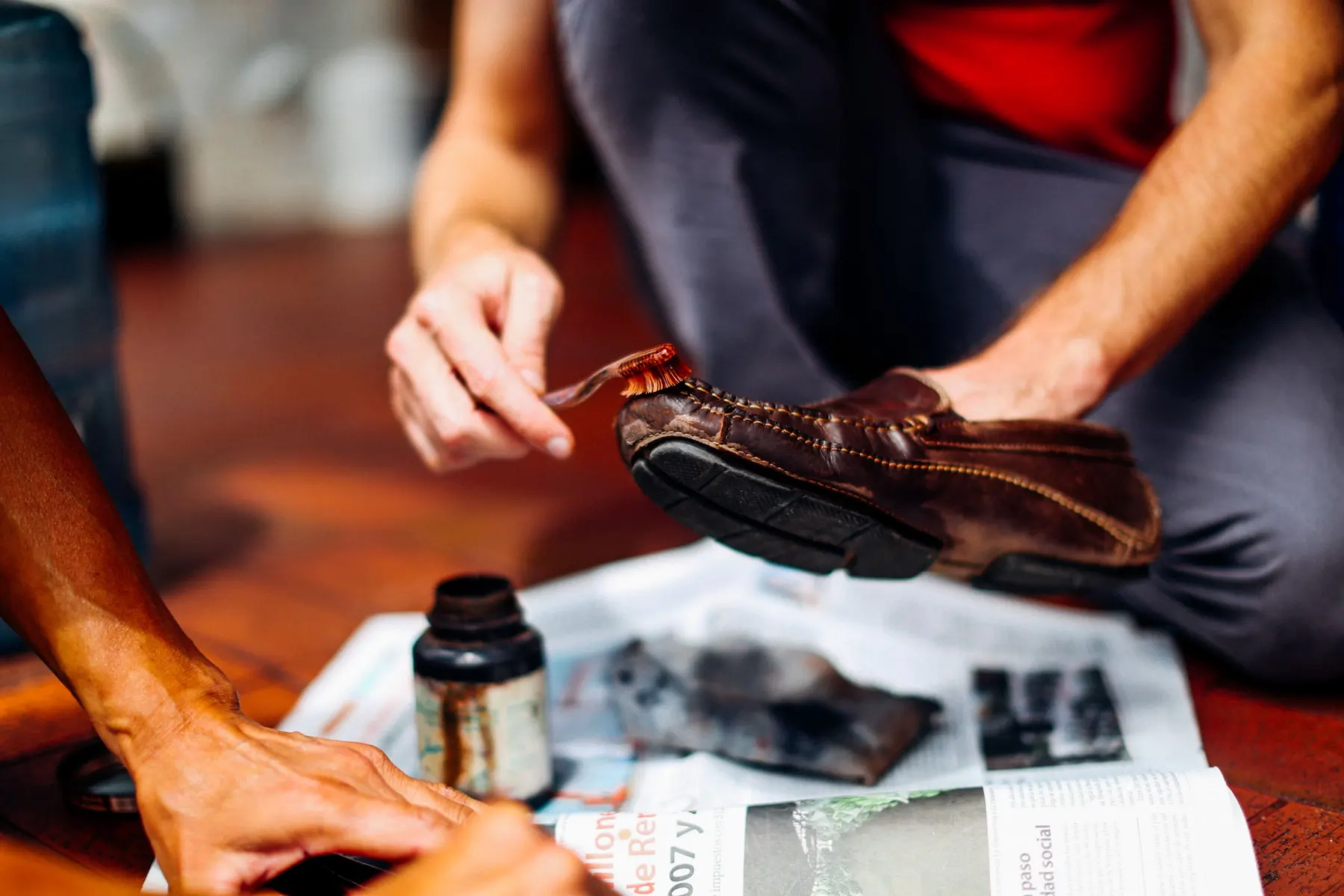
Shoe care goes wrong most often at the first step: treating a shoe as a material it is not. Polish on suede, water on something that should have been brushed dry, a hot radiator under a leather sole. So before any cleaning, turn the shoe over in your hands and work out what the upper is made of. If you still have the box or the maker’s leaflet, it will say; so will the label inside some shoes.
For everyday purposes there are three families. Smooth leather has a closed, slightly shiny or waxy surface that takes polish. Suede and nubuck are leathers with a soft, brushed, velvety surface, the nap, which changes shade when you stroke it. Textile uppers are woven or knitted: cotton canvas, mesh, knitted synthetics. Many shoes combine two of these, in which case each part gets its own treatment.
The routine at a glance
| Upper | After wearing | Now and then | Avoid | Take to a professional when |
|---|---|---|---|---|
| Smooth leather | Wipe off dust with a soft, slightly damp cloth; let the shoes rest | Clean, condition, then polish; weatherproof if they meet rain and mud | Drying by direct heat; heavy, frequent layers of oil or grease | Soles or heels are worn, stitching has gone, or the colour needs restoring |
| Suede and nubuck | Brush dry with a plastic or rubber-tipped brush | Reapply a repellent made for suede or nubuck when water stops beading | Ordinary polish and creams; hard brushing on nubuck | There is a serious or greasy stain |
| Textile | Brush off loose dirt once dry | Hand wash, or machine wash only if the maker’s label allows it | Radiators and tumble dryers | Uppers are torn, or soles are separating |
Smooth leather: clean, condition, polish
The Shoe Service Institute of America, a shoe-repair trade association, describes leather shoe care as four steps: cleaning the surface, conditioning the leather so it stays soft, polishing to restore colour and shine, and weatherproofing if the shoes meet wet, muddy or oily conditions. The leather industry group Leather Naturally gives a shorter version for leather goods generally: wipe away surface dust with a soft, damp cloth, then use a leather conditioner.
In practice a wipe after wearing is the weekly part and takes seconds. Conditioning and polishing are occasional jobs, for when the leather looks dry or dull.
On polish, the institute explains the trade-off between the three usual forms. Liquid polish is the easiest to apply and lasts the least time. Paste, or wax, lasts longest and takes the most effort. Cream sits between the two. Whichever you use, match the colour carefully or use neutral, apply a small amount, and test first, since a polish may change the colour of the leather.
More is not better with oils and dressings. The Canadian Conservation Institute, writing about leather objects in museum collections, cautions that leather dressings can darken the surface, stain materials nearby and attract dust, and that saddle soap is very alkaline, which degrades leather, and can leave a white deposit. Museum pieces are not shoes in daily wear, and a conservator’s caution is greater than a cobbler’s, but the direction of the advice is useful: thin applications, not often, and only products intended for the leather you have.
Suede and nubuck: keep them dry and brushed
For these, the Shoe Service Institute of America puts prevention first. Its advice is to apply a water and stain repellent designed for suede or nubuck before the shoes are worn, and to reapply it when water no longer beads on the surface. Follow the product’s own directions and try it on a hidden patch, because a spray can shift the colour of some leathers.
The routine itself is dry. Brush regularly with a plastic or rubber-tipped brush, which the institute says restores the nap and removes dirt before it settles. Nubuck is softer and more easily damaged than suede, so it gets a lighter hand. Ordinary shoe polish and cream are for smooth leather and have no place on a napped surface.
Stains are where caution pays. The institute recommends treating them promptly with a cleaner made specifically for the material, and adds that for serious stains a shoe repair professional is often the better choice. Rubbing at a greasy mark on pale suede with whatever is under the sink can spread it, and no home method can be relied on to bring the original surface back.
Textile uppers: check before you wash
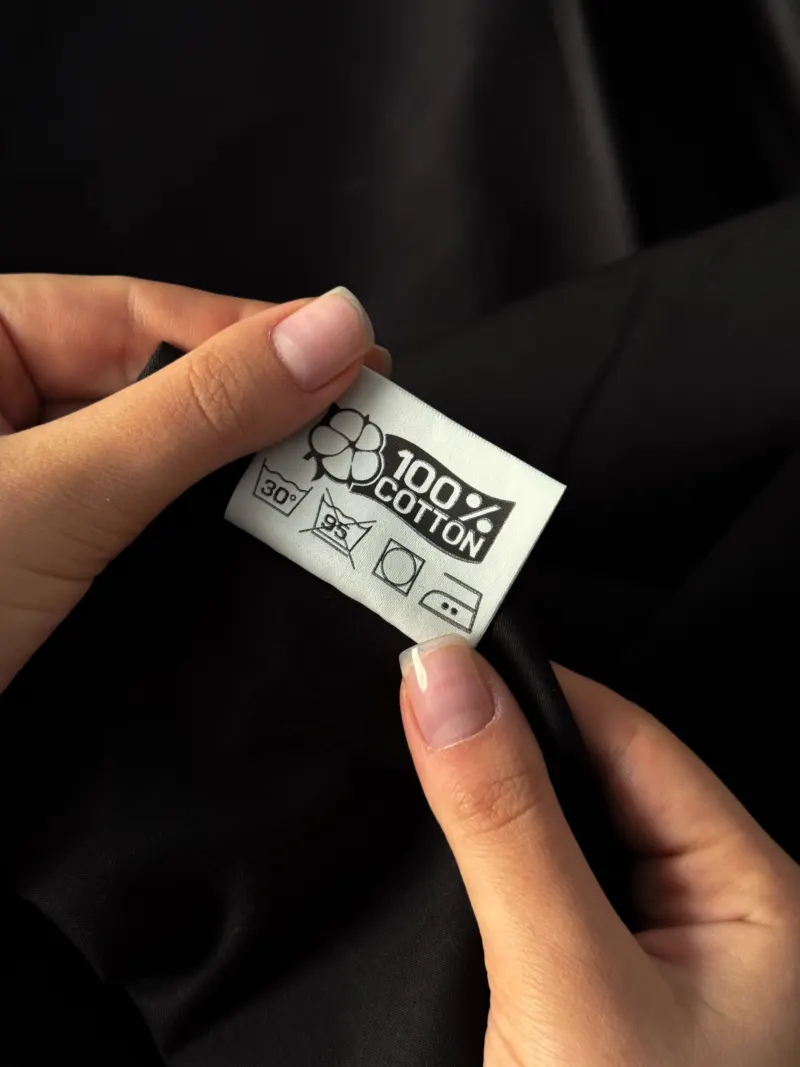
Canvas and mesh shoes are the only ones here that may be washable, and “may” matters. The consumer organisation Which? advises checking the shoe’s care label first to see whether machine washing is allowed, looking up the maker’s guidance if there is no label, and washing by hand if you still cannot find out. If the label carries washing symbols and you are unsure what they mean, our guide to reading a clothing care label goes through them.
The steps Which? sets out are these. Brush or wipe off loose dirt, paying attention to the soles. Take out the laces and wash them separately by hand. Remove the insoles if they come out, wipe them with a damp cloth and let them air dry, since they are slow to dry if soaked. For hand washing, use cold water and a little liquid detergent.
If the label permits the machine, Which? suggests a cold or cool cycle even where a warmer one is allowed, to limit fading; liquid detergent, and less of it than for a full load (it suggests half a cap), because powder may not dissolve fully in a cold wash; and towels in the drum with the shoes to cushion them. Leather or suede panels on a mostly textile shoe change the picture, and the Shoe Service Institute of America’s general advice for fabric and suede athletic uppers is to treat them as you would suede. When in doubt, clean by hand.
Wet shoes of any kind: slow drying, no direct heat
The sources agree on this more firmly than on anything else. Which? says not to dry trainers (sneakers) on a radiator or in a tumble dryer, because heat can warp their plastic and rubber parts. Leather Naturally advises keeping leather away from direct sunlight and intense heat, which can stiffen it over time. The Canadian Conservation Institute lists a radiator among the sources of localised heat that speed up the deterioration of leather.
So let wet shoes dry at room temperature, somewhere air can move around them, and accept that it may take a day or more. Loosen the laces and open the shoe up. Plain paper pushed gently into the toe helps the shoe hold its shape while it dries, in the same way that conservators pad leather objects with tissue to support them; replace it if it becomes sodden. Leave suede alone until it is fully dry, then brush it.
Damp is the other risk. The Canadian Conservation Institute notes that mould on leather appears as a thin grey, green or white powder or as small black dots, that it needs high humidity to grow, and that air circulation helps prevent it. Shoes put away wet in a closed cupboard or a plastic bag are in exactly those conditions.
Rest, storage and the cobbler
Alternating pairs is a simple habit to adopt. The Royal College of Podiatry’s tips include trying not to wear the same shoes two days in a row. It is offered as foot-care advice, not shoe care, but a day off is also a chance to let a pair air. If you are choosing a pair with this in mind, our guide to what to check when trying on everyday shoes covers fit.
For storage, Leather Naturally’s advice for leather is a cool, dry place out of direct sunlight. Shoes going away for a season should be clean and completely dry first, the rule that also runs through our piece on preparing seasonal clothes for storage. Since trapped damp is the risk, a cloth bag or a cardboard box is a reasonable choice over sealed plastic. Shoe trees or a loose fill of paper help them keep their shape.
Finally, a great deal of what looks like the end of a shoe is a repair. The trade body’s view is that regular care combined with visits to a repair shop extends the life of shoes, and it suggests new laces and insoles as a way of freshening athletic pairs. Worn-down heels, thin soles and loose stitching are ordinary work for a cobbler, and it is worth asking before the wear reaches the upper. Our article on repairs worth considering before replacing an item takes the same view of clothes.
Sources
- Shoe Service Institute of America Shoe Care
- Leather Naturally Leather Frequently Asked Questions
- Canadian Conservation Institute (Government of Canada) Care of Alum, Vegetable and Mineral-tanned Leather – Canadian Conservation Institute (CCI) Notes 8/2
- Which? How to wash trainers: 8 things you should never do
- Royal College of Podiatry (leaflet hosted by Harrogate and District NHS Foundation Trust) Choosing the right shoes for you