Latest
How to Build a Wardrobe Around the Clothes You Actually Wear
Log what you wear for fourteen days, read the pattern, and build outwards from the pieces that are already doing the work.
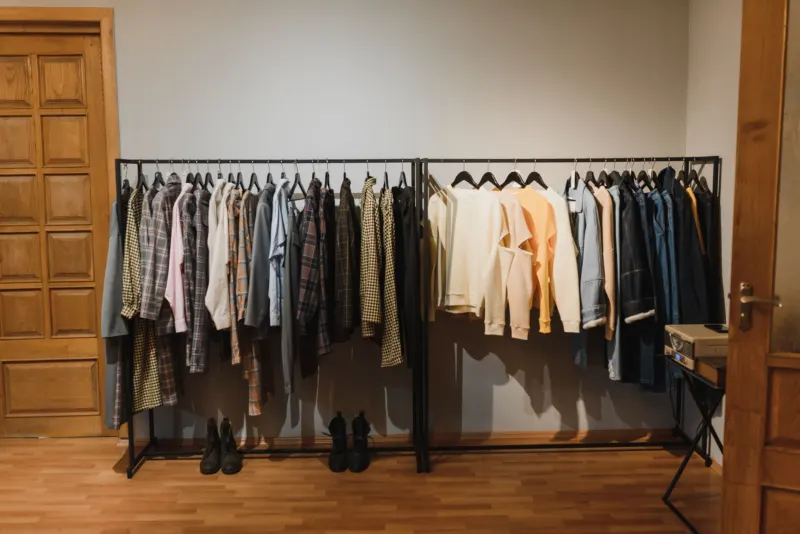
Read the storyHow to see what you own, work out what you actually wear and judge a garment properly — blazers, trousers, shirts, second-hand finds — before anything new comes home.
Latest
Log what you wear for fourteen days, read the pattern, and build outwards from the pieces that are already doing the work.
Read the storyPoplin, oxford or twill; ironed or not; tucked or loose. How laundry habits, layering and opacity decide which white shirt you will actually wear.
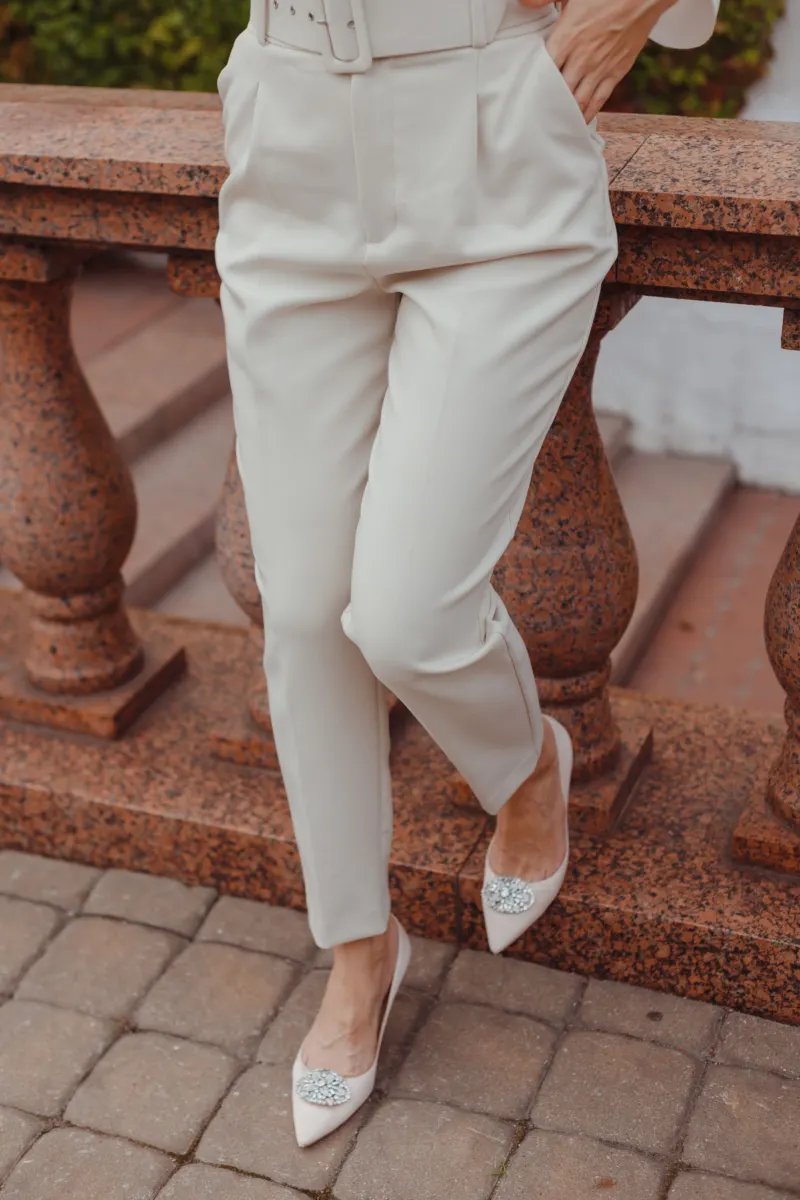
Three views of one garment: where trouser fit is hardest to change, what the fibre label suggests about creasing and wear, and a five-minute movement test.
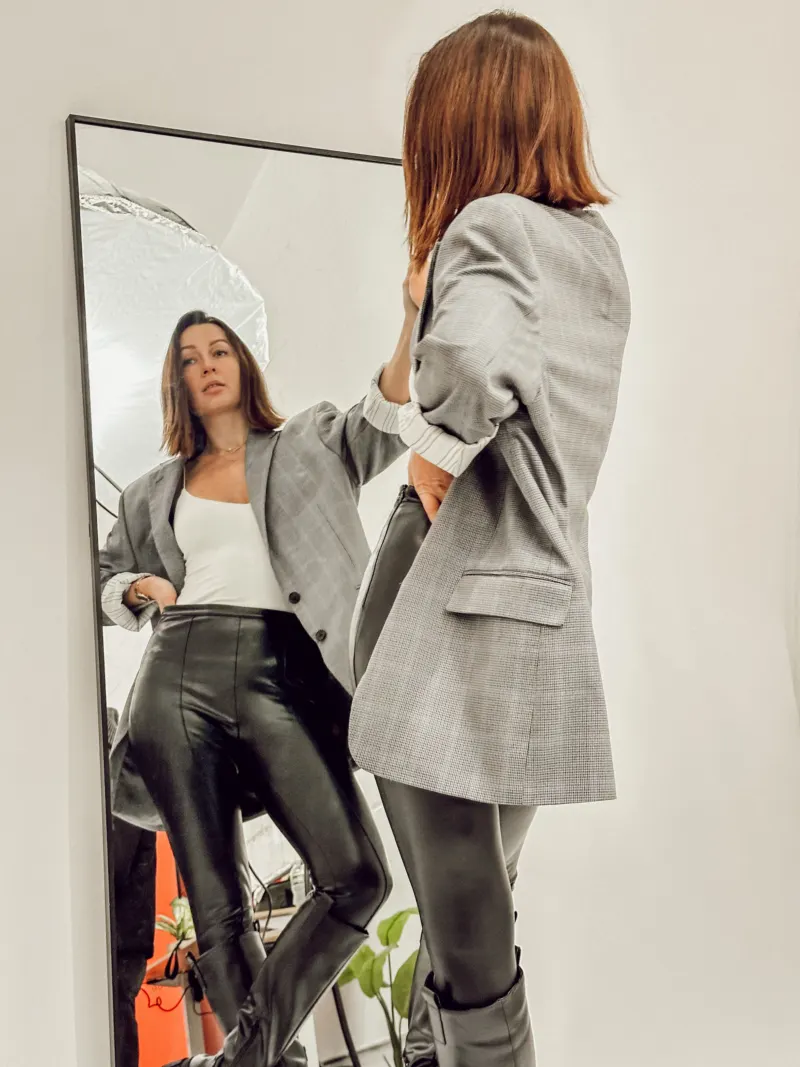
A walk through the jacket from collar to hem: what has to be right on the rail, what a tailor can adjust, and how to test it by moving.
Nine garments can make dozens of outfits or six. The difference is whether every top goes with every bottom — shown with a worked example and four looks.
One category at a time, four piles, and no bin bag: a slower way to sort your clothes that asks what each piece needs in order to be worn.
A gap is the piece whose absence stopped an outfit you were trying to wear. How to catch those moments, describe them precisely and check what you already own.