Packing a Small Travel Wardrobe with Mix-and-Match Outfits
Nine garments, two pairs of shoes and a scarf: a packing list for about a week, with a matrix showing the twelve outfits it makes and how to adapt it.
Nine garments, two pairs of shoes and one scarf. That is the whole list for the example in this article, a five-to-seven-day trip in mild weather with a mix of walking, a couple of dinners and one day that might rain. It is a list written with a cabin-sized bag in mind.
The list itself matters less than the way it is put together. A small travel wardrobe works when every top can be worn with every bottom, so the number of outfits is the tops multiplied by the bottoms and not the number of outfits you happened to plan. The example is written to be adapted: change the colours, the garments and the climate, and keep the arithmetic.
Choose a palette before you choose clothes
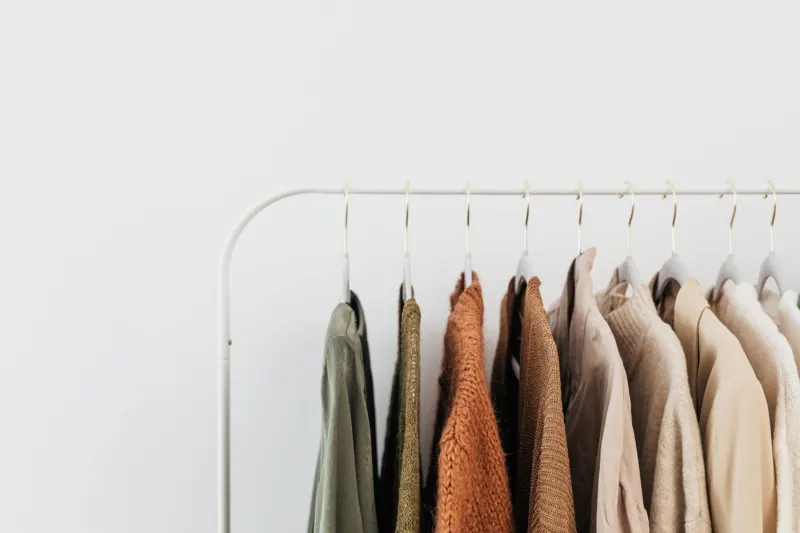
Mixing freely needs a restricted set of colours. A practical formula is two dark or neutral base colours for trousers and outer layers, one or two light colours for tops, and one accent that appears at least twice so it looks intended. The example uses navy and olive as bases, white and pale blue as lights, and rust as the accent.
Your own version might be black and grey with cobalt, or brown and cream with forest green. The colours you already wear most at home are the ones to pack, which is one more use for the thinking in how to build a wardrobe around the clothes you actually wear. A trip is a poor moment to try a garment for the first time.
The packing list
Four tops, three bottoms, two layers. Wear the bulkiest items on the travel day and pack the rest.
- Top 1: a white T-shirt in a fairly heavy cotton.
- Top 2: a navy-and-cream striped long-sleeved top.
- Top 3: a pale blue cotton shirt, which also works open as a light layer over the T-shirt.
- Top 4: a rust fine-knit jumper (sweater).
- Bottom A: dark indigo straight-leg jeans.
- Bottom B: olive loose-cut cotton trousers.
- Bottom C: a third piece in navy, chosen for the trip: tailored trousers, a midi skirt or smart shorts.
- Layer 1: a navy overshirt or unstructured jacket with pockets.
- Layer 2: a light packable rain jacket.
- Shoes: white leather trainers (sneakers) for walking; brown leather loafers or flat sandals for evenings and warm days.
- Scarf: a cotton or wool scarf with rust in it, which repeats the accent and doubles as a blanket on transport.
Underwear, socks, nightwear and anything for swimming or exercise sit outside the count. So does a dress, if you wear them: one that fits the palette replaces a top and a bottom on any day, and takes up little space.
The outfit matrix
Each cell is one outfit: the top from the row, the bottom from the column, and the layer and shoes that finish it. Twelve combinations from seven pieces, before the layers are counted.
| A: indigo jeans | B: olive trousers | C: navy trousers, skirt or shorts | |
|---|---|---|---|
| 1: white T-shirt | Navy overshirt, trainers. The travel-day outfit. | Blue shirt worn open over it, trainers. Long walking days. | Scarf, sandals or loafers. Warm afternoons. |
| 2: striped top | Trainers, rain jacket if needed. Sightseeing. | Navy overshirt, trainers. Markets and museums. | Loafers. Lunch somewhere with a view. |
| 3: pale blue shirt | Sleeves rolled, loafers. Casual dinner. | Tucked in, loafers, scarf. A day in town. | Navy overshirt worn as a jacket, loafers. The smartest outfit. |
| 4: rust jumper | Trainers, scarf. Cool mornings. | White T-shirt edge showing at the neck, trainers. Colour on a grey day. | Loafers. Dinner on a cool evening. |
If any cell in your own version makes you wince, one of the two pieces in it does not belong in the bag. That is the test the matrix exists for, and it is far easier to run on the bed at home than in a hotel room.
Two of the twelve, in detail
The travel day: T-shirt, jeans, overshirt
The heaviest and bulkiest pieces are worn, not packed, and the pockets do the work of a small bag in a queue.
- Pieces
- White T-shirt, dark indigo jeans, navy overshirt, white trainers, the scarf.
- Swaps
- The olive trousers if you find jeans stiff for long sitting. The rust jumper over the T-shirt if you are usually cold on planes and trains. Whichever shoes take up more room in the bag are the ones to wear.
- The detail
- The scarf. Around the neck it brings the accent colour up to the face; unfolded it is a layer for cold carriages; in the bag at the other end it wraps something fragile.
The smartest dinner: blue shirt, navy bottom, overshirt as a jacket
Nothing was packed specially for evening. This is the darkest bottom, the only collar and the most structured layer worn together.
- Pieces
- Pale blue shirt, navy trousers or navy midi skirt, navy overshirt worn buttoned or neatly open, brown loafers.
- Swaps
- The rust jumper over the shoulders or in place of the overshirt for colour. Sandals and rolled sleeves in the heat. A pair of earrings, a watch or a pocket square, which weigh almost nothing and shift the outfit towards evening.
- The detail
- Navy with navy. Two navies that do not quite match look deliberate when the textures differ, a brushed cotton overshirt over smooth trousers for instance; there is more on that in a simple guide to wearing tonal colours.
Adapting the list
Hotter. Exchange the jumper for a second T-shirt or a loose short-sleeved shirt in the accent colour, make bottom C shorts or a skirt, and let the blue shirt act as the only layer. The rain jacket may stay at home.
Colder. Keep the structure and thicken it: a long-sleeved base under each top, a warmer coat worn on the travel day in place of the overshirt, boots in place of loafers. The matrix does not change, because the coat goes over all twelve cells.
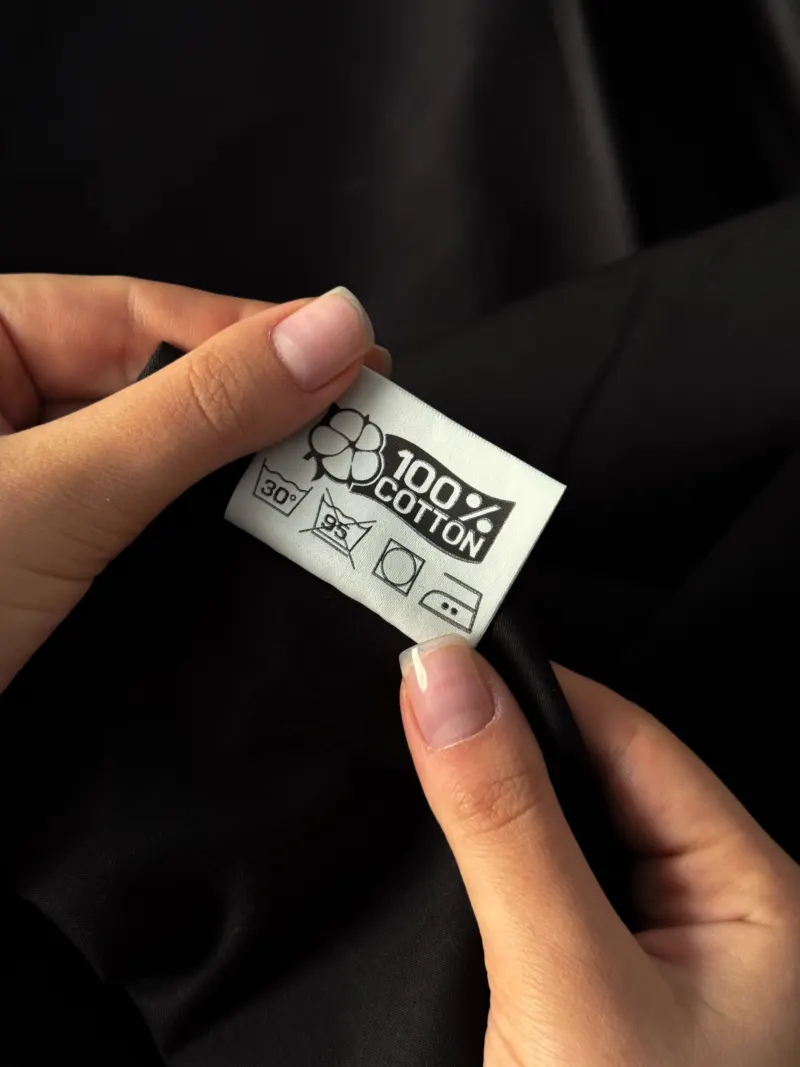
Longer. A trip of two weeks does not need twice the clothes if you can wash on the way. Check the care label of each piece before you pack it, since a garment that cannot be washed by hand or in an ordinary machine cycle is a single-wear item on the road; how to read a clothing care label explains the symbols.
More formal. For a wedding or a business meeting within the trip, add the one outfit that occasion requires and treat it as separate from the matrix. Trying to make a formal outfit also serve as daily wear usually compromises both.
In the bag and at the other end
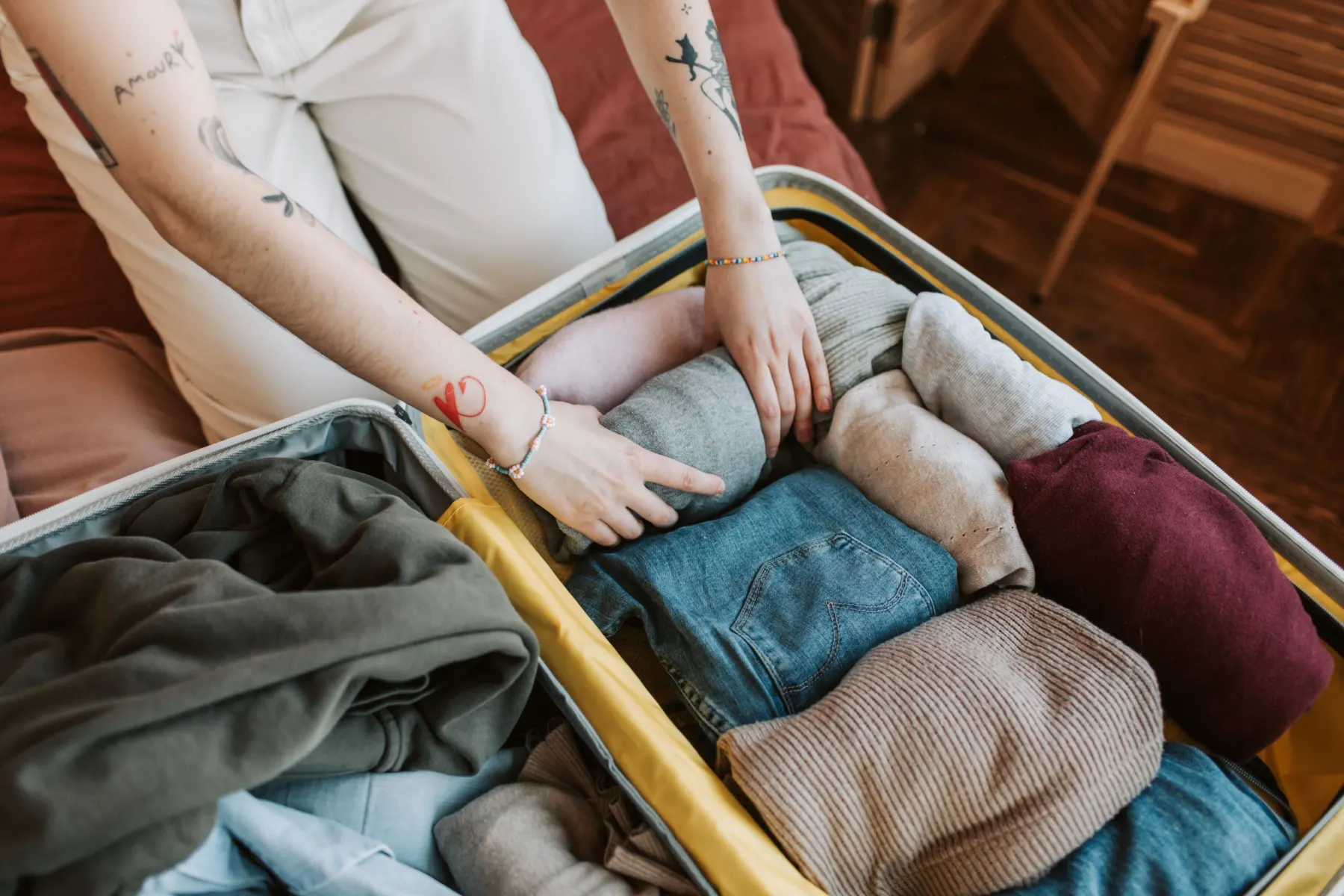
How you pack is partly preference. Rolling soft pieces such as T-shirts and knits and laying shirts and trousers flat on top is a common arrangement; shoes go at the bottom, in a cloth bag, with socks inside them. On arrival, hang the shirt and the navy trousers straight away and leave the knit folded, for the reasons given in hanging or folding: how to store different garments.
When you come home, look at what returned unworn before you put it away. That piece is the first thing to leave off the list next time.