How to Prepare Seasonal Clothes for Storage
A four-week countdown: inspect and mend, clean, dry and prepare the space, then pack. With what conservators say about moths, plastic, cedar and freezing.
Count back four weeks from the day you expect to stop wearing your winter coat, or your linen trousers, and put a note in the calendar. Storage done in one afternoon tends to mean things go into a box as they are: worn once since the last wash, a button loose, slightly damp from the airer.
The timetable is our own framing. The tasks come from English Heritage’s collections pest-control team, a university extension guide, a state historic sites service and The Woolmark Company, which speaks for the wool industry; where they disagree, on plastic and on cedar, each view is given under its own name.
Why the order matters
Three things damage clothes in storage.
- Insects. It is the larvae of clothes moths that eat the fibres. English Heritage says moths love wool, particularly like high-quality items such as cashmere, and will also eat fur and feathers. Textiles soiled with food or urine are preferentially attacked, and a stained patch may be damaged more than the clean cloth next to it. Damage is usually in dark, hidden places: under collars, behind lapels, in pockets and turn-ups, along folds.
- Damp. Mildew attacks natural fibres and discolours man-made ones, and the University of Kentucky’s extension guide says that in warm, humid conditions it can form in a single day.
- Time. The same guide warns that an old stain is harder to remove, that a knit left hanging can stretch, and that a fold kept in one place can become a permanent crease.
Four weeks before: sort, inspect and mend
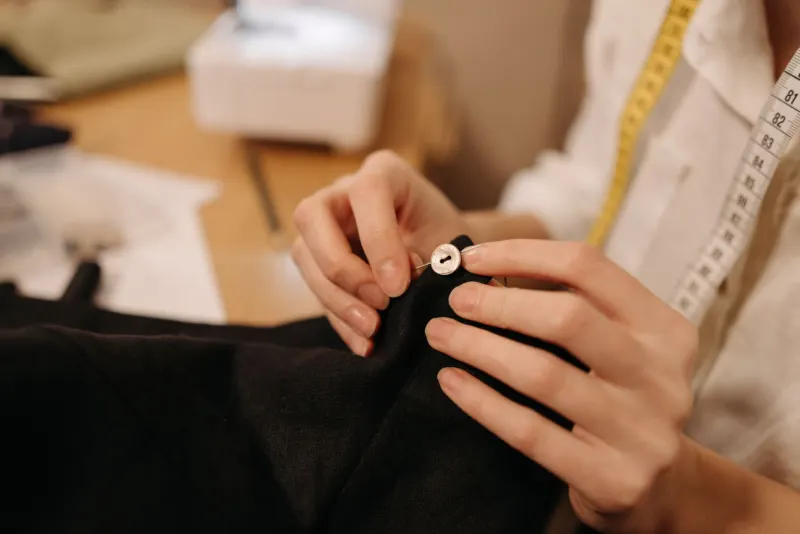
The Kentucky guide advises checking garments for needed repairs before storing them and making those repairs first. Our guide to clothing repairs worth considering sorts the simple jobs from those for a professional.
As for the pieces you did not wear all season, English Heritage’s blunt advice for limiting moths is to throw away, or preferably recycle, wool, fur or feather items you do not want to keep.
If you find the signs of moths that English Heritage describes (holes, silk webbing, larval cases or frass), go straight to the section on freezing below.
Three weeks before: clean everything, including what looks clean
English Heritage and Woolmark both say clothing should always be clean before it is stored. The Kentucky guide says to launder or dry-clean before seasonal storage and to rinse thoroughly, and adds that garments should go away without starch, sizing or fabric softener; mildew, it notes, feeds on starch and sizing.
“Clean” includes things worn once. The same guide warns that invisible stains, especially ones containing sugar, can go unnoticed and show up as spots after a period in storage, and that the age of a stain is a big factor in whether it will come out.
How to clean is the care label’s decision, and the label on the garment outranks any general advice; if you are unsure what the symbols allow, our guide to reading a care label goes through them in order. For structured coats, tailoring and anything labelled dry clean only, use a professional cleaner and tell them the garment is going into storage.
Two weeks before: dry completely and prepare the space
The Kentucky guide’s instruction is unqualified: never store damp clothing. We would give ribbing, seams and waistbands longer than seems necessary.
English Heritage recommends vacuuming the bottom of wardrobes and any shelves regularly, using the nozzle around the edges, because the dirt and debris that collect there are a food source for insect pests, and emptying the vacuum cleaner into a sealed bag in an outside bin afterwards.
On location, the same guide says to avoid basements, attics and garages where they expose clothes to dampness or heat, and to keep clothes away from sunlight. For long-term storage it gives optimal conditions as a temperature not above 75 °F (about 24 °C) and relative humidity under 55 per cent.
One week before: pack
Fold or hang?
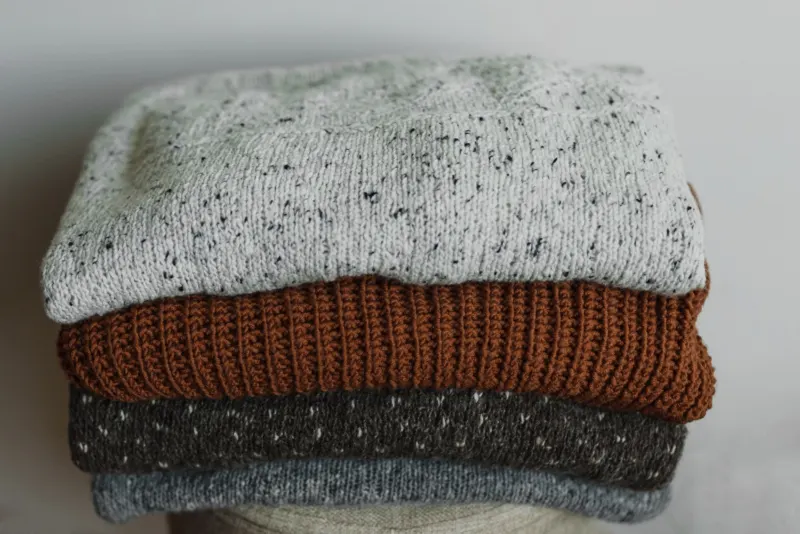
Woolmark says to fold, not hang, so garments keep their shape, and the Kentucky guide warns that heavy or knitted garments left hanging for long periods can suffer strain and eventually broken threads. Its folding advice is to fold as few times as possible, along seam lines where you can, with white tissue in the folds of anything that creases, and not to over-pack. For clothes that stay on the rail it recommends cloth garment bags. The everyday version of this decision is set out in hanging or folding.
What to pack in: the sources disagree
| Container | Who favours it | The case for | The case against |
|---|---|---|---|
| Boxes with tightly sealed lids; vacuum bags | English Heritage; Woolmark, with reservations | English Heritage: vacuum bags are designed to protect against insect pests, damp and dust | Woolmark: vacuum bags do not let clothing breathe, are not ideal for delicate pieces and can trap moisture. North Carolina’s historic sites service, writing about antique textiles: no plastic tote boxes |
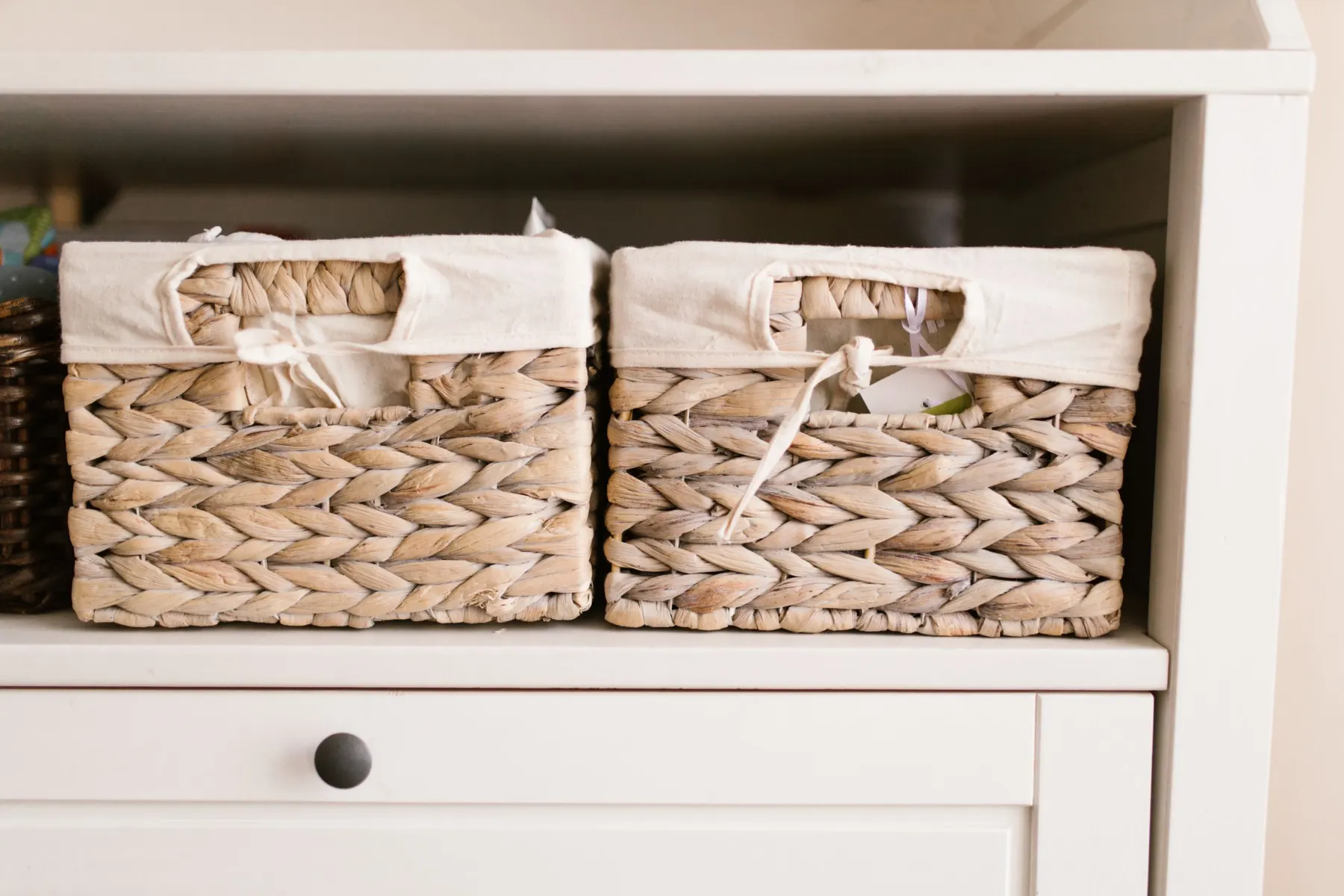
| Cotton or wool storage bags; cloth garment bags; clean sheets and pillowcases | Woolmark; University of Kentucky extension | Woolmark: safer for delicate clothing because it can breathe. Kentucky: natural-fibre fabrics need to breathe | Neither claims cloth keeps insects out; Kentucky relies on clean clothes in a clean, ventilated space |
| Plastic bags and dry-cleaning covers | None of the sources | None given | Kentucky: plastic can trap moisture and contribute to yellowing. North Carolina: such bags can harm fibres and create conditions suited to mould |
The disagreement, as we read it, is about which risk comes first: pests or damp. No source reconciles the two, so what follows is our judgement and no guarantee. Wool, cashmere and other animal-hair fibres, which the Kentucky guide names as what moths generally attack, could go clean and completely dry into a container that closes tightly, wrapped in tissue or a cotton pillowcase. Cotton, linen and viscose, which the same guide associates with silverfish and other insects instead, could go into breathable covers. Woolmark suggests silica gel in a vacuum bag or storage bin against moisture.
Cedar, lavender and mothballs
Woolmark recommends cedar blocks over mothballs and claims they work just as well, if not better. English Heritage is more guarded: lavender and cedar balls are safer alternatives for repelling adult moths, they work best in enclosed spaces, they last three months at most before needing to be replaced, and they have no effect on larvae already inside clothes. The Kentucky guide mentions canvas storage bags with cedar tops or bottoms and, for long-term storage of wool, a tightly sealed cedar enclosure of heartwood at least three-quarters of an inch thick. Our reading: treat scented deterrents as an extra, never as the protection.
Two cautions. The Kentucky guide says to keep scented sachets from touching clothes, since their oils can spot fabric, and the North Carolina guidance says to keep textiles out of direct contact with wood, cedar chests included, because its acid causes yellowing. On mothballs, English Heritage notes that many of the old formulations are now banned or not recommended; the Kentucky guide adds that some authorities consider the fumes may be toxic to people. We would leave them out.
Finally, the Kentucky guide says to label each container with its contents and the date.
If you have found moths: freezing
English Heritage describes deep freezing as the best way of killing adults, eggs and larvae in clothing and small textiles:
- Wrap the items in acid-free tissue and seal them in plastic bags, removing excess air.
- Freeze at −18 °C for at least two weeks. Its guidelines say auto-defrost freezers should not be used and items should not be packed in tightly.
- After removal, leave the items wrapped for at least 24 hours while they return to room temperature; the reason given is condensation.
- Then unwrap and clean the items to remove dead insects and other traces.
For items known to be infested, the guidelines say not to clean before freezing, to avoid spreading eggs or larvae: bag first, freeze, clean afterwards. For anything delicate they advise asking a conservator or a good pest control company whether freezing is suitable. English Heritage warns that moth control is not achieved rapidly, and the Kentucky guide’s advice for a large infestation is to call a professional exterminator.
During the months in storage
Moths hate being disturbed, says English Heritage, whose advice is to take out and shake hanging and stored items at least once a month if you can. A monthly look is also a chance to notice a musty smell, a sign the Kentucky guide associates with mildew.
When the season turns, the Kentucky guide suggests airing items before they go back into a closed wardrobe, and notes that wool can often be refreshed by hanging it in a steamy bathroom and leaving it undisturbed for several hours. The wash-and-dry routine for the jumpers themselves is in our knitwear care guide.
Sources
- English Heritage Top Tips for Preventing Clothes Moth Infestations (PDF, May 2021)
- English Heritage Clothes moths - prevention and control (PDF guideline)
- English Heritage Freezing guidelines for controlling an insect pest infestation (PDF, May 2019)
- English Heritage Understanding Clothes Moth Infestations
- University of Kentucky Cooperative Extension Service Clothing Storage (CT-LMH.144, revised 01/02)
- The Woolmark Company How to store wool clothes
- NC Historic Sites (North Carolina Division of State Historic Sites and Properties) Caring for Your Textiles