Reading a Dress Code When the Invitation Is Vague
Smart casual, cocktail, black tie optional, festive, come as you are: what each usually signals, where British and American guidance differ, and what to ask the host.
“Smart casual.” “Festive.” “Come as you are.” Two or three words at the foot of an invitation, written by a host who knew exactly what they meant and assumed you would too.
Dress-code terms are conventions, not definitions. They shift between countries, between generations and between one circle of friends and the next, and even the etiquette authorities do not use identical lists. What follows takes the commonest vague terms one at a time: what each usually signals, where the published guidance differs, what in an ordinary wardrobe is likely to answer it, and the one question worth asking if you are still unsure.
First, read the rest of the invitation
The dress line is only one clue. The time matters: the Emily Post Institute, the American etiquette organisation, advises leaning towards formality for semi-formal events later than six in the evening. The place matters as much. A garden, a beach, a place of worship, a restaurant and a hotel ballroom each set limits of their own, on footwear and warmth as well as on formality.
The invitation as an object also speaks. A printed card sent weeks ahead and a message in a group chat may use the same two words and mean different things by them.
Smart casual
What it usually signals. Make a visible effort, but do not wear a business suit. Debrett’s, the British etiquette publisher, calls it by far the most common dress code and also a “catch-all”, and suggests thinking about the context.
Where guidance differs. Across two articles, Debrett’s describes a jacket with tailored trousers or chinos and a collared shirt, with or without a tie, or a dress or a trouser-and-jacket combination; it calls denim probably too casual and advises avoiding jeans, T-shirts and trainers (sneakers). The Emily Post Institute’s list has no “smart casual” at all. Its nearest term, “dressy casual”, is described as a balance between formal and casual and includes nice jeans with a dressy top. So the same instinct, something between office and weekend, lands in a slightly different place on each side of the Atlantic, and in many workplaces and friendship groups dark jeans are entirely normal under this heading.
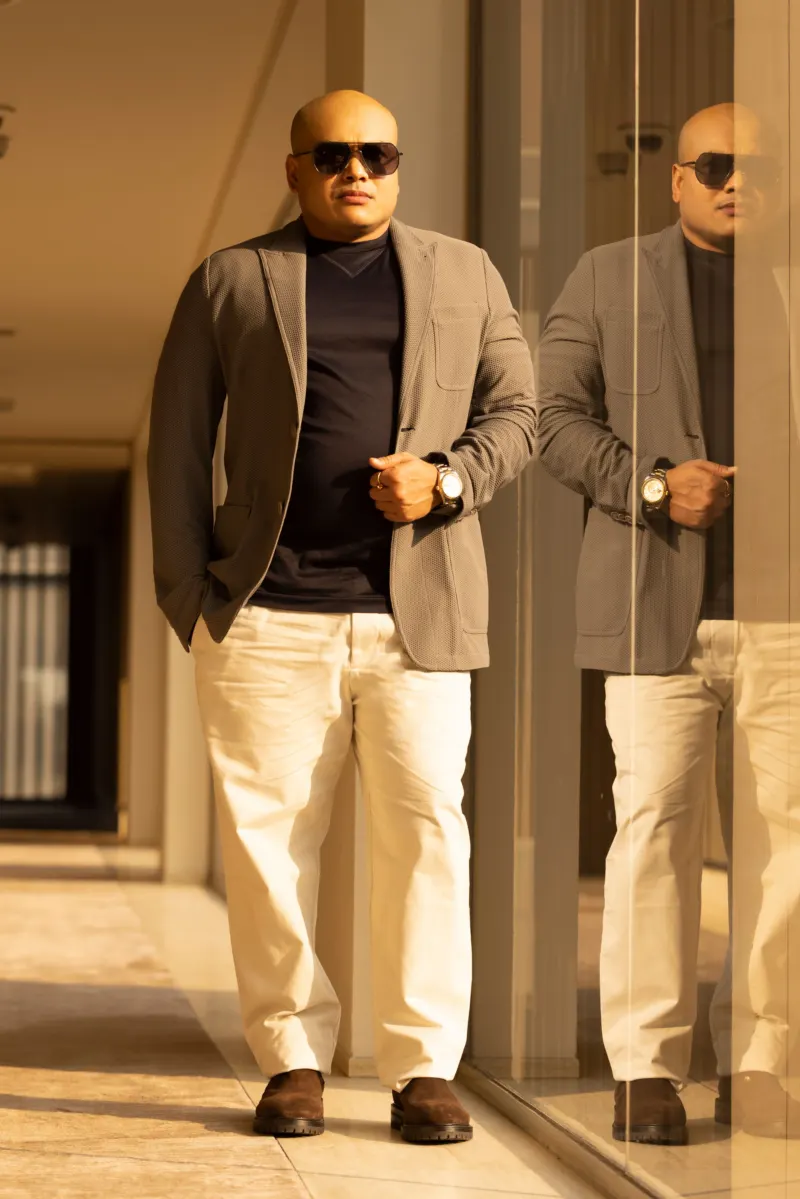
From an ordinary wardrobe. One tailored piece and one relaxed piece is a workable reading almost anywhere: a blazer with a knit and chinos, a shirt-dress with boots, wool trousers with a fine jumper. There are fuller examples in the men’s smart-casual outfit guide and in one blazer, five everyday outfits.
What to ask. “Would jeans be all right?” The answer to that single question tells you most of what you need.
Cocktail
What it usually signals. An evening occasion that is dressed up but not formal evening wear. Debrett’s groups “cocktail attire” with phrases such as “party dress” and says these codes release guests, men especially, from rigid strictures: a smart suit or a velvet jacket in place of a dinner jacket. The Emily Post Institute does not list “cocktail” as its own code; its “semi-formal” category, described as more formal than office wear but slightly less than a formal event, mentions cocktail dresses, dressy separates and a dark suit with a tie.
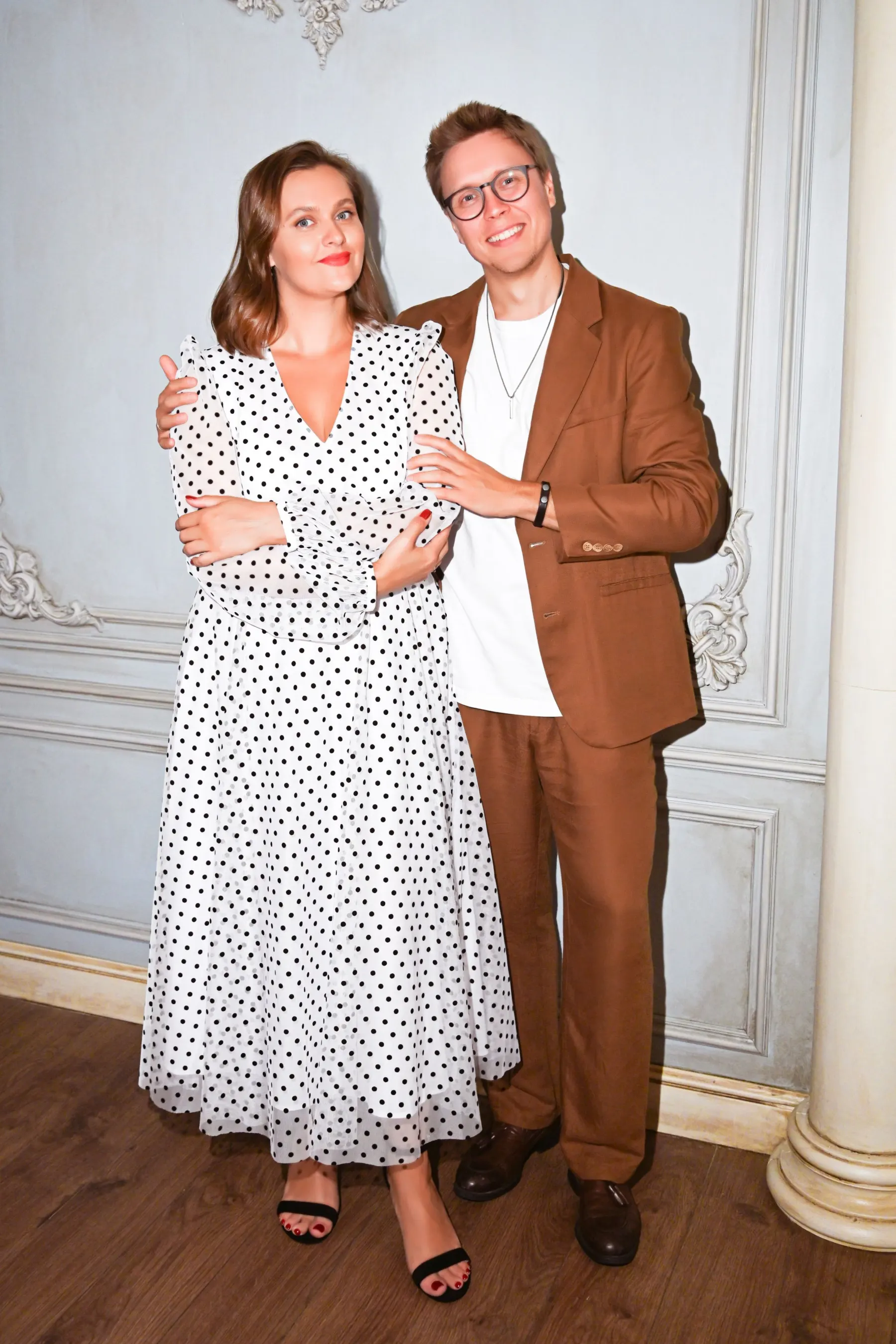
From an ordinary wardrobe. The darkest, best-fitting suit you own with a shirt you like; a knee-length or midi dress in a fabric with some life in it; dressy trousers with a silk-like top; shoes you have cleaned. One element with shine or richness, such as a satin blouse, a velvet jacket or polished shoes, moves daytime clothes towards evening.
What to ask. “Are most people wearing a suit and tie, or is it looser than that?”
Black tie optional
What it usually signals. It is generally read as: the hosts would like a formal evening, but do not want anyone to hire or buy an outfit in order to come. The Emily Post Institute describes it as giving guests a couple of formal options: a tuxedo, which in Britain is a dinner jacket, or a dark suit with a white shirt and a conservative tie; a floor-length gown, a dressy cocktail dress or dressy separates.
From an ordinary wardrobe. If you own evening wear and enjoy it, wear it. If not, the “optional” is sincere: a dark suit, a plain white shirt, a dark tie and black shoes, or your most formal dress or separates, is a complete answer and not a second-class one.
What to ask. “Roughly how many people will be in black tie?” If the answer is “nearly everyone”, you may want to borrow; if it is “a few”, the dark suit will sit comfortably.
Festive
What it usually signals. In the Emily Post Institute’s guide, “festive” is usually a holiday-season code and is essentially cocktail-party attire with a seasonal touch. Outside that setting the word is used far more loosely, for birthdays, office parties and summer gatherings, and often means little more than “wear something cheerful”.
From an ordinary wardrobe. Take whatever you would wear for cocktail or smart casual, depending on the venue, and add one celebratory element: a strong colour, something that catches the light, a patterned tie or scarf, velvet, a favourite piece of jewellery. One is enough to show you read the invitation. Debrett’s makes the same point about fanciful codes generally: for guests who are more reserved, accessories will show that the code was noted.
What to ask. “Is it a dress-up party, or more jumpers and jeans with something sparkly?”
Come as you are, casual, or nothing at all
What it usually signals. “Come as you are” is an informal phrase and not a recognised code; in common use it means the host does not want anyone to go to trouble. It rarely means the clothes you clean the house in. The Emily Post Institute’s description of “casual” is a helpful anchor: informal and comfortable yet clean, with nicer casual pieces preferred over what you wear around the house.
When there is no dress line. Debrett’s suggests that most guests will assume a drinks party without a stated code is fairly informal and will default to smart casual. It adds that, when in doubt, it is considered better to be a little overdressed, since that at least shows effort.
From an ordinary wardrobe. What you would wear to meet a friend for lunch: clean jeans or casual trousers, a shirt, knit or good T-shirt, shoes in decent condition. The ideas in dressing for dinner without starting from scratch adapt easily.
What to ask. “Indoors or outdoors, and will we be sitting down to eat?” With a casual code, the practical details matter more than the level.
Asking, and what to do if you cannot
Hosts are almost always glad to be asked; an unclear dress line is their omission and not your failing. Debrett’s suggests first checking with a fellow guest about what they plan to wear, which is often the quickest route. If you do write to the host, ask something they can answer in a word.
If there is nobody to ask, build the outfit so that it can move one step in either direction after you arrive. A jacket can come off and a tie can go into a pocket; a scarf or a pair of earrings can be added from a bag; a shirt can be buttoned up or opened at the collar. Dark, plain clothes in good condition are rarely wrong at any level between casual and cocktail.
Where local or religious custom is involved, such as covered shoulders, a head covering, colours associated with mourning or with the couple at a wedding, no general guide can stand in for someone who knows the occasion. In those cases, ask even if it feels awkward.
Sources
- The Emily Post Institute Attire Guide: Dress Codes from Casual to White Tie
- Debrett's Deconstructing Dress Codes
- Debrett's Interpreting Invitations